

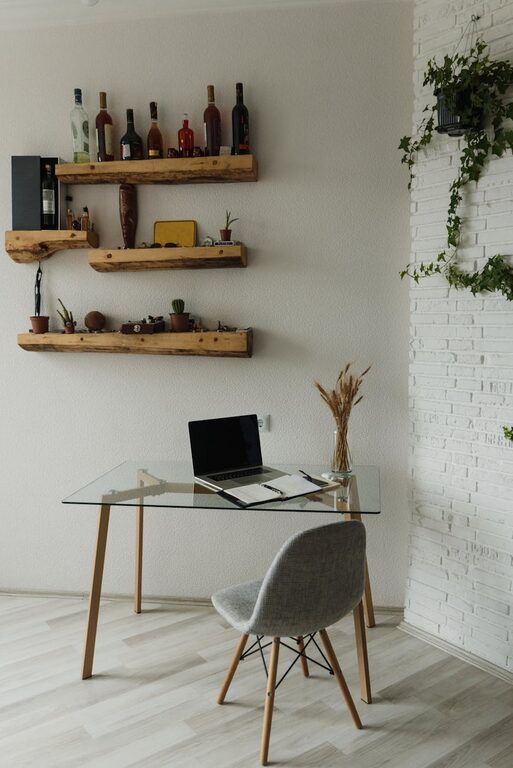
Creating a relaxing home office environment is essential for maintaining focus, reducing stress, and enhancing productivity. Whether you’re working remotely full-time or just need a quiet corner to manage tasks, setting up a calm and inviting workspace can make a significant difference. In this post, we’ll explore simple and effective tips to transform your home office into a peaceful haven that inspires your best work.
Why a Relaxing Home Office Matters
Working from home offers flexibility but also brings distractions and challenges in maintaining work-life balance. A relaxing workspace helps:
– Improve concentration and creativity
– Reduce feelings of stress and burnout
– Encourage better posture and physical comfort
– Create clear boundaries between work and personal life
Now, let’s dive into practical ways to achieve this.
Choose the Right Location
Find a Quiet Spot
Select a part of your home with minimal foot traffic and noise. This helps you stay focused and signals to others that you are in work mode.
Utilize Natural Light
If possible, position your desk near a window. Natural light helps regulate your body clock and improves mood throughout the day.
Space for Movement
Ensure there is enough room to move around freely, stretch, or do light exercises without feeling cramped.
Optimize Your Desk Setup
Invest in a Comfortable Chair
Look for an ergonomic chair that supports your back well. Comfort is key to avoiding fatigue and discomfort during long work sessions.
Keep Your Desk Organized
A clutter-free desk promotes mental clarity. Use organizers, trays, or drawers to store items neatly.
Position Your Monitor Properly
Place your computer screen at eye level to reduce neck and eye strain. Consider a monitor stand or adjustable arm.
Use Quality Accessories
A good keyboard, mouse, and desk lamp can improve your overall comfort and efficiency.
Incorporate Calming Colors and Decor
Choose Soothing Colors
Soft blues, greens, and neutrals tend to have a calming effect. Avoid overly bright or distracting colors in your office space.
Add Plants
Indoor plants bring freshness and a touch of nature indoors. They can improve air quality and brighten your workspace.
Personalize Thoughtfully
Decorate with meaningful items like photos or artwork, but keep it minimal to maintain tranquility.
Control Noise and Distractions
Use Noise-Cancelling Headphones
These can block out background noise and help you concentrate when your environment is noisy.
Play Soft Background Music
Instrumental or nature sounds can create a soothing atmosphere.
Set Clear Boundaries
Inform family or housemates of your working hours to minimize interruptions.
Manage Lighting for Comfort and Focus
Balance Natural and Artificial Light
Natural light is best during the day, but supplement with adjustable desk lamps for evening work.
Avoid Glare
Position screens and lights to reduce reflections and eye strain.
Consider Warm Light
Warm white light helps create a cozy environment without being harsh on your eyes.
Incorporate Breaks and Movement
Schedule Regular Breaks
Short breaks every hour improve focus and prevent burnout.
Create a Relaxation Corner
If space allows, add a comfortable chair or cushion for stretching, reading, or brief mindfulness exercises.
Use a Timer or App
Set reminders to stand up, stretch, or breathe deeply throughout the day.
Maintain Good Air Quality and Temperature
Ventilate Regularly
Open windows or use fans to keep fresh air circulating.
Use a Humidifier or Air Purifier
These can enhance comfort, especially in dry or polluted environments.
Keep Temperature Comfortable
Adjust heating or cooling to avoid distractions from being too hot or cold.
Stay Organized Digitally
Use Task Management Tools
Keep track of tasks and deadlines using apps like Trello, Asana, or simple to-do lists.
Minimize Screen Clutter
Close unneeded tabs and organize files for easier access and less distraction.
Back Up Data Regularly
Ensure your work is saved and secure to prevent stress from technical issues.
Final Thoughts
Creating a relaxing home office environment is more than just aesthetics. It combines thoughtful design, organization, and habits that support your wellbeing and productivity. Start with small changes, and gradually tailor your space to fit your preferences. With the right setup, your home office can be a peaceful, inspiring place that makes work both effective and enjoyable.
—
By following these tips, you’ll build a workspace that helps you stay calm, focused, and motivated — the perfect foundation for a successful work-from-home experience.