

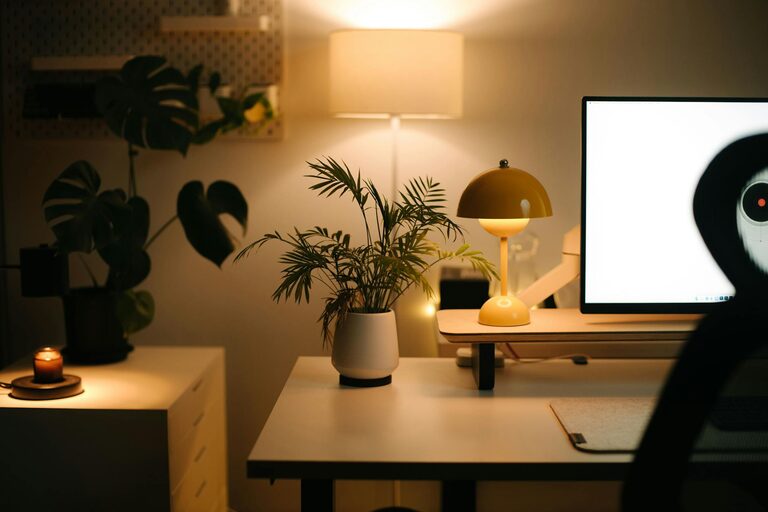
Working from home can be a rewarding experience when your environment supports focus, comfort, and creativity. Creating a cozy and productive home office space doesn’t require a huge budget or a dedicated room—it involves thoughtful choices that reflect your needs and style.
In this post, we’ll explore practical tips to design a home office that helps you work efficiently while feeling comfortable. Whether you have a whole room or a small corner, these ideas will guide you toward a workspace that boosts your productivity and well-being.
1. Choose the Right Location
Selecting the ideal spot for your home office is the first step. Consider:
– Natural light: Position your desk near a window if possible. Natural light improves mood and reduces eye strain.
– Quietness: Find a place where you can focus without constant interruptions.
– Space: Ensure you have enough room for your desk, chair, and any necessary equipment.
If space is limited, even a well-organized corner can become a great office nook.
2. Invest in a Comfortable Chair and Desk
Your chair and desk are the foundation of a productive workstation.
– Ergonomics: Choose a chair with adjustable height and lumbar support to maintain good posture.
– Desk size: Pick a desk that fits your work needs—enough surface for your computer, notebooks, and supplies.
– Height: Your desk height should allow your forearms to rest parallel to the floor while typing.
Comfortable furniture reduces physical strain and helps you stay focused longer.
3. Optimize Lighting
Good lighting is crucial for both comfort and productivity.
– Layer your lighting: Use a mix of ambient lighting (ceiling lights), task lighting (desk lamps), and accent lighting to reduce shadows and glare.
– Adjust color temperature: Warm lights create coziness, while cooler lights boost alertness. A desk lamp with adjustable settings can give you flexibility.
– Avoid screen glare: Position your monitor perpendicular to windows or use blinds to control sunlight.
Proper lighting conditions protect your eyes and keep your energy steady throughout the day.
4. Keep Your Space Organized
A clutter-free workspace helps your mind stay clear.
– Storage solutions: Use shelves, drawers, or filing cabinets to keep papers and supplies tidy.
– Desk organizers: Trays, pen holders, and cable clips prevent mess on your desktop.
– Daily tidying: Spend a few minutes at the end of each day putting things back in place.
An organized space can improve focus and reduce stress.
5. Personalize Your Workspace
Adding personal touches makes your office inviting and motivating.
– Inspiring decor: Hang artwork, motivational quotes, or photos that brighten your mood.
– Plants: Indoor plants add life and help purify the air, creating a calming atmosphere.
– Comfort items: A cozy throw blanket or a soft rug makes the space feel warm and welcoming.
Your personalized space will feel more like your own, encouraging creativity and enjoyment.
6. Minimize Distractions
Keeping distractions under control helps you maintain productivity.
– Use noise-cancelling headphones or play soft background music if ambient noise is unavoidable.
– Set boundaries: Communicate your work hours and space to family or roommates to prevent interruptions.
– Manage tech distractions: Turn off non-essential notifications during work periods.
Creating a focused environment supports better concentration and work quality.
7. Consider Technology Needs
Ensure your home office is equipped with the right technology tools.
– Reliable internet: A strong and stable connection is essential for virtual meetings and research.
– Peripherals: Use quality keyboards, mice, and webcams to enhance your work experience.
– Cable management: Keep cords organized and out of sight to prevent tangles and hazards.
Technology should streamline your work, not create frustration.
8. Establish a Routine
Designing your space is only part of the equation—developing a productive routine matters too.
– Set consistent working hours: Separate work time from personal time to maintain balance.
– Take breaks: Schedule short breaks to stretch and recharge.
– End-of-day rituals: Organize your workspace before finishing to prepare for the next day.
A routine helps you make the most of your cozy and productive home office.
—
Creating a home office that combines comfort and productivity is about understanding your work habits and preferences. By carefully choosing your location, furniture, lighting, and decor—and staying organized and focused—you can transform your space into one that inspires you every day.
Remember, the best home office is one that feels right for you. Start with these tips and adjust as needed to craft your ideal workspace. Happy working!